The History of Witchcraft
- Kirstie Gehl
- Nov 14, 2024
- 3 min read

Witchcraft has long captured human imagination, stirring a mix of fascination and fear. This captivating topic blends folklore, superstition, and a quest for knowledge. From ancient rituals to modern interpretations, the evolution of witchcraft reflects major shifts in societal values, fears, and practices. In this post, we will explore the rich history of witchcraft, tracing its origins and transformations across various cultures.
Ancient Origins
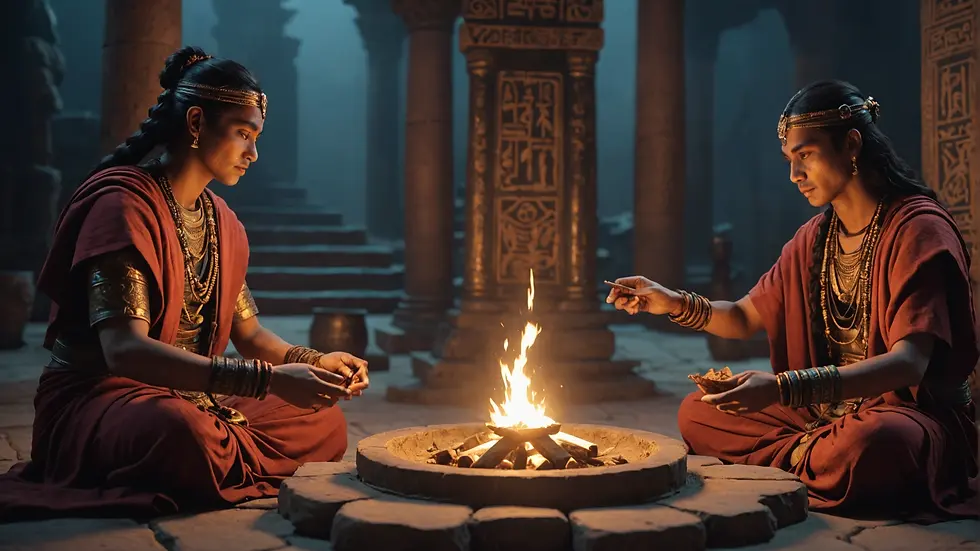
The roots of witchcraft extend deep into ancient civilizations. Archaeological findings from Mesopotamia, Egypt, and the Indus Valley reveal that early forms of magic and witchcraft existed long before the advent of written history. For instance, the Sumerians, who lived around 3000 BCE, created clay tablets detailing magical rituals. These rituals often mixed with early religious practices, as people sought to influence nature and gain favor with the divine.
Rituals formed an integral part of ancient life, connecting communities with the spirits of the natural world. In many cultures, figures like shamans or wise women were recognized for their knowledge of herbs and healing. These individuals were honored and seen as intermediaries between their communities and the spiritual realm, laying the groundwork for what would later be identified as witchcraft.
The Classical Era: Greece and Rome
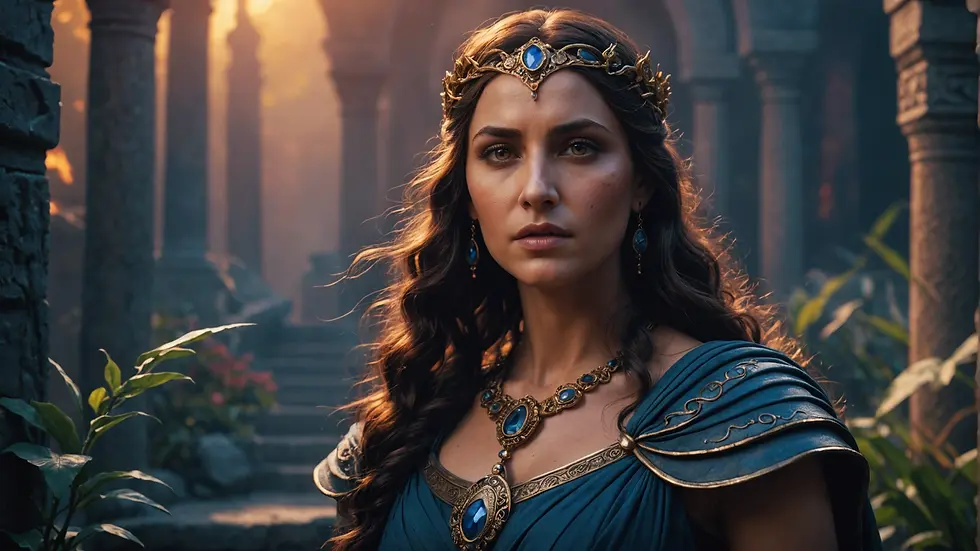
Witchcraft gained significant traction during the Classical Era, as Greeks and Romans began to codify their views on witches within legal and philosophical contexts. Greek mythology is rich with powerful sorceresses. For example, Circe, who transformed men into animals, and Medea, who used magic for both healing and vengeance, illustrate the complex perceptions of witches. On the other hand, in Roman society, witchcraft often held a dark reputation, linked with wrongdoing and punishable by law. The Lex Cornelia de Sicilia, enacted in 82 BCE, targeted poisoners and witches, underscoring the fear prevalent in ruling classes.
This dual perspective reflects societal tensions, where fears often prompted legal actions. For instance, during this period, accusations of witchcraft were frequently tied to anxieties over women’s independence and the mysterious aspects of life that were not well understood.
The Middle Ages: Fear and Persecution
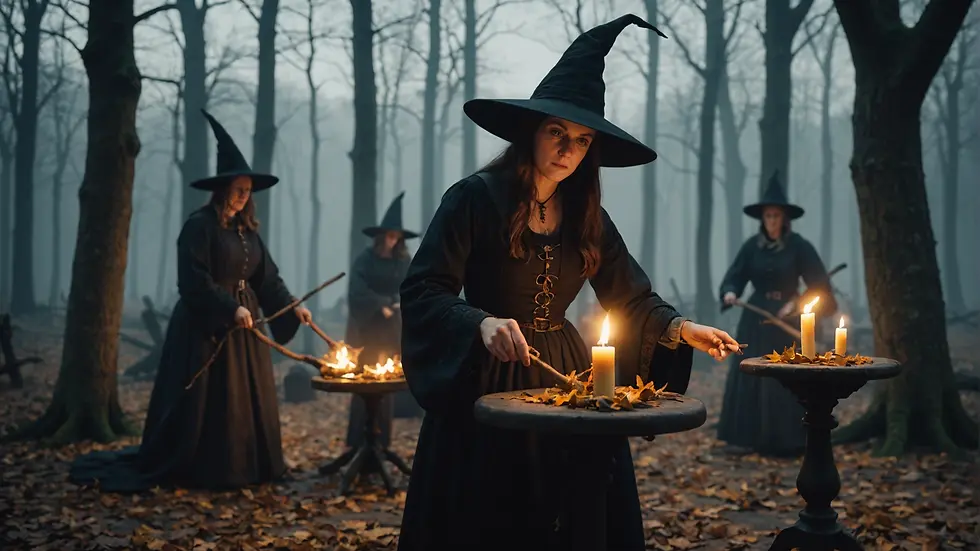
The fear surrounding witchcraft peaked during the Middle Ages and into the Renaissance, marked by a series of infamous witch hunts. The Christian Church played a significant role in vilifying witchcraft, labeling it a heretical practice tied to devil-worship. The publication of the Malleus Maleficarum in 1487 reflected this view, serving as a manual for identifying and prosecuting alleged witches.
During this dark chapter, thousands were accused of witchcraft, with some estimates suggesting that up to 80,000 individuals were executed during the European witch hunts. The accusations often rested on flimsy evidence, such as coerced confessions obtained through torture or rumors. Tragically, this period epitomized the intersection of fear, misogyny, and social control.
The Enlightenment and Rational Thought
With the onset of the Enlightenment in the 17th and 18th centuries, attitudes toward witchcraft began to shift dramatically. The rise of rational thought and scientific inquiry prompted many intellectuals to challenge the legitimacy of witch hunts and trials. For example, prominent figures like John Locke advocated for reason and evidence-based beliefs, questioning the blind fear that previously fueled such persecutions.
The decline of witch hunts illustrates a broader trend towards skepticism of established norms, as well as a growing push for human rights. The trials of the past served as cautionary tales about mass hysteria and the perils of unchecked authority.
Modern Interpretations of Witchcraft
Today, witchcraft has transformed significantly. Many now see it as a symbol of empowerment. Modern witchcraft often connects to Wicca and other forms of Neopaganism, where followers celebrate nature and the divine feminine. Reports suggest that the number of individuals identifying with these practices has increased significantly, especially among younger generations. For instance, witchcraft communities, particularly on platforms like social media, have grown by over 300% in the last decade.
In contemporary culture, witchcraft is frequently portrayed in literature, film, and television, reimagined from dark practices to symbols of strength and self-expression. Shows like "Charmed" and films such as "The Craft" have contributed to this shift, reshaping perceptions and encouraging discussions about spirituality.
Reflecting on Witchcraft's Legacy
The history of witchcraft serves as a reflection of humanity’s evolving relationship with the unknown. From ancient rituals to modern empowerment narratives, witchcraft embodies themes of fear, healing, and autonomy. As society continues to confront the complexities of its past, the stories of witches remind us that the pursuit of knowledge and understanding can prevail over fear and superstition.
Witchcraft's legacy highlights the necessity for empathy and understanding, shedding light on the dangers of mass hysteria. By adopting a balanced perspective on its history, we can appreciate its multifaceted nature and foster more informed conversations about its significance in today's world.
Comments